

Inset vs. Overlay Cabinet Doors: What's the Difference?
When choosing cabinetry, the door style is an important part of the visual layout. Another significant decision is how the doors and drawer fronts relate to the cabinet frame. This is known as the cabinet door overlay.
Inset, full overlay, and partial overlay doors each create a different appearance by changing how much of the cabinet frame remains visible. The choice can also affect the overall character of the cabinetry, hardware selection, and the level of precision required during construction and installation.
Understanding these differences is a simple yet helpful step when considering your custom cabinet project design. Below, we’ll cover key considerations that can help you decide which approach fits the style, construction, and needs of your project.
In This Article
- What is cabinet door overlay?
- Full overlay cabinet doors
- Partial overlay cabinet doors
- Inset cabinet doors
- Inset vs. overlay: key differences
- How door style and construction work together
- Choosing the right cabinet door configuration
- How custom cabinetry gives you more options
- FAQ
What Is Cabinet Door Overlay?
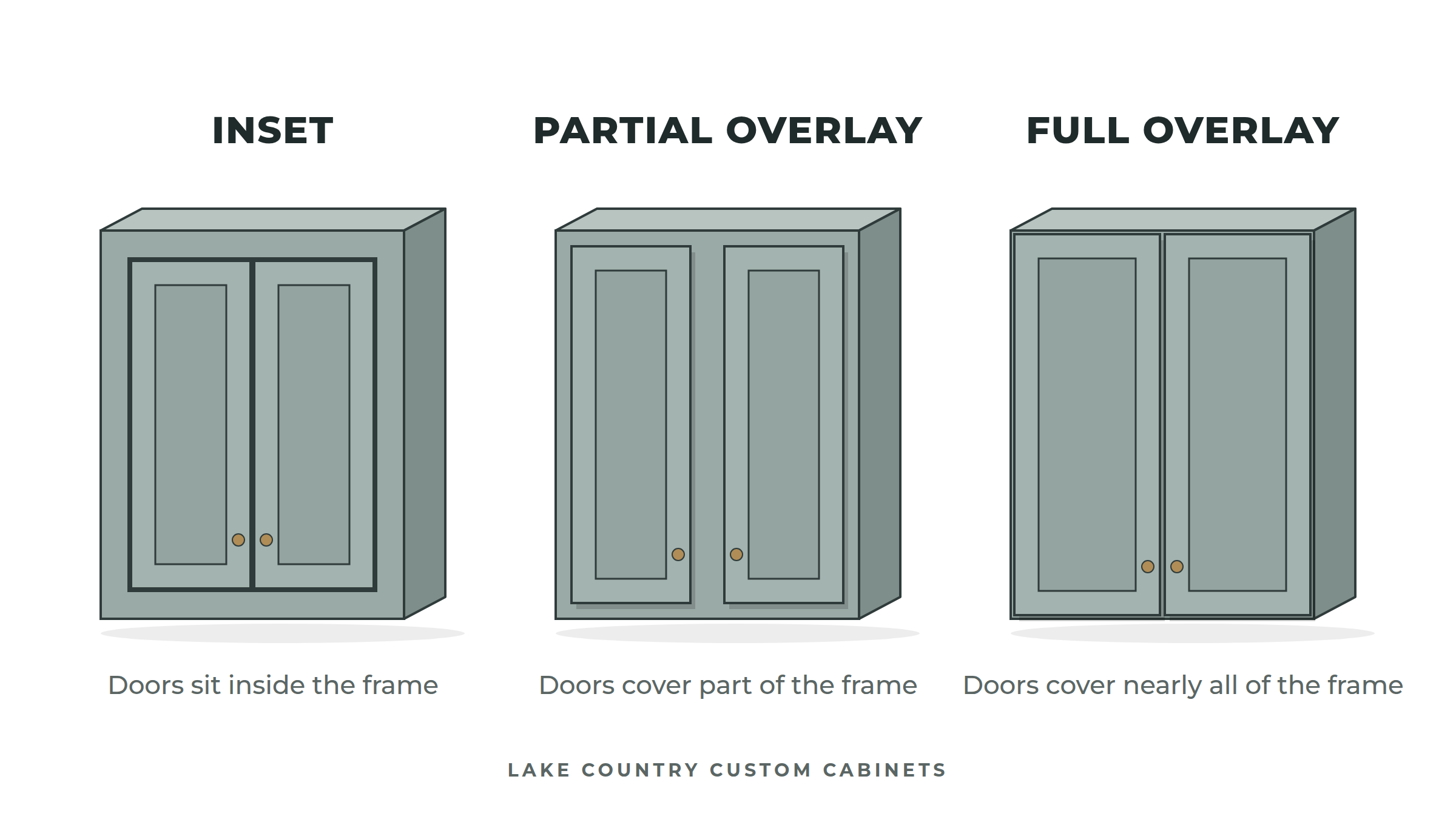
Overlay describes how a cabinet door or drawer front sits in relation to the cabinet face frame when it is closed. With an overlay configuration, the door sits over the cabinet frame. The amount of the frame covered by the door determines whether the cabinet is considered partial overlay or full overlay. Inset cabinetry works differently—the door and drawer front sit within the opening of the face frame rather than covering it.
This difference may seem subtle, but it has a noticeable effect on the appearance of an entire run of cabinets. It changes how much of the frame is visible, how the doors and drawers relate to one another, and how much visual emphasis the cabinet construction itself has within the space.
Full Overlay Cabinet Doors
Full overlay doors cover most of the cabinet face frame, leaving only a relatively narrow reveal between adjacent doors and drawers. The result is a more continuous cabinet front, with less of the frame visible.
This configuration can work with a wide range of cabinet door styles. A full overlay Shaker door, for example, can create a clean and streamlined appearance, while the same overlay configuration paired with a more detailed door profile can create a different overall look.
Because less of the face frame is visible, the finish, door profile, hardware, and surrounding materials have more influence on the appearance of the cabinetry. Full overlay can therefore work across a range of design styles depending on the other choices made during the project.
Full overlay is also commonly used with concealed hinges, which can further simplify the appearance of the cabinet fronts.
Partial Overlay Cabinet Doors
Partial overlay doors cover only part of the cabinet face frame, leaving more of the frame visible around the doors and drawer fronts.
The additional frame creates more visual definition between individual cabinet openings. This can complement traditional cabinet designs, particularly when paired with a detailed door profile, natural wood finish, or other architectural elements.
Partial overlay is also a familiar configuration in many existing homes. If you're remodeling a space and want the new cabinetry to relate to existing cabinets or architectural details, the amount of visible frame can be an important part of creating a cohesive look.
Like full overlay, partial overlay can be combined with different door styles, materials, finishes, and hardware. The overlay itself is only one component of the overall cabinet design.
Inset Cabinet Doors
Inset cabinetry takes a different approach. Instead of sitting over the face frame, the door and drawer front are fitted within the cabinet opening. When closed, the front of the door sits flush with the cabinet frame.
This creates the clean, furniture-like appearance associated with inset cabinetry. Because the face frame remains fully visible, the construction and spacing of the cabinetry become a more prominent part of the design.
Inset can be paired with a variety of door styles, including Shaker. A simple Shaker door with inset construction, for example, can create a classic and tailored appearance without adding additional ornamentation to the door itself. Visit our cabinet-style article to see this combination in one of our Wisconsin custom cabinet projects!
The fit of inset doors also requires particular attention. The doors and drawers need to be precisely sized and aligned within their openings, and the spacing around each front becomes part of the finished appearance. For that reason, inset cabinetry requires careful construction and installation.
Inset vs. Overlay: Key Differences
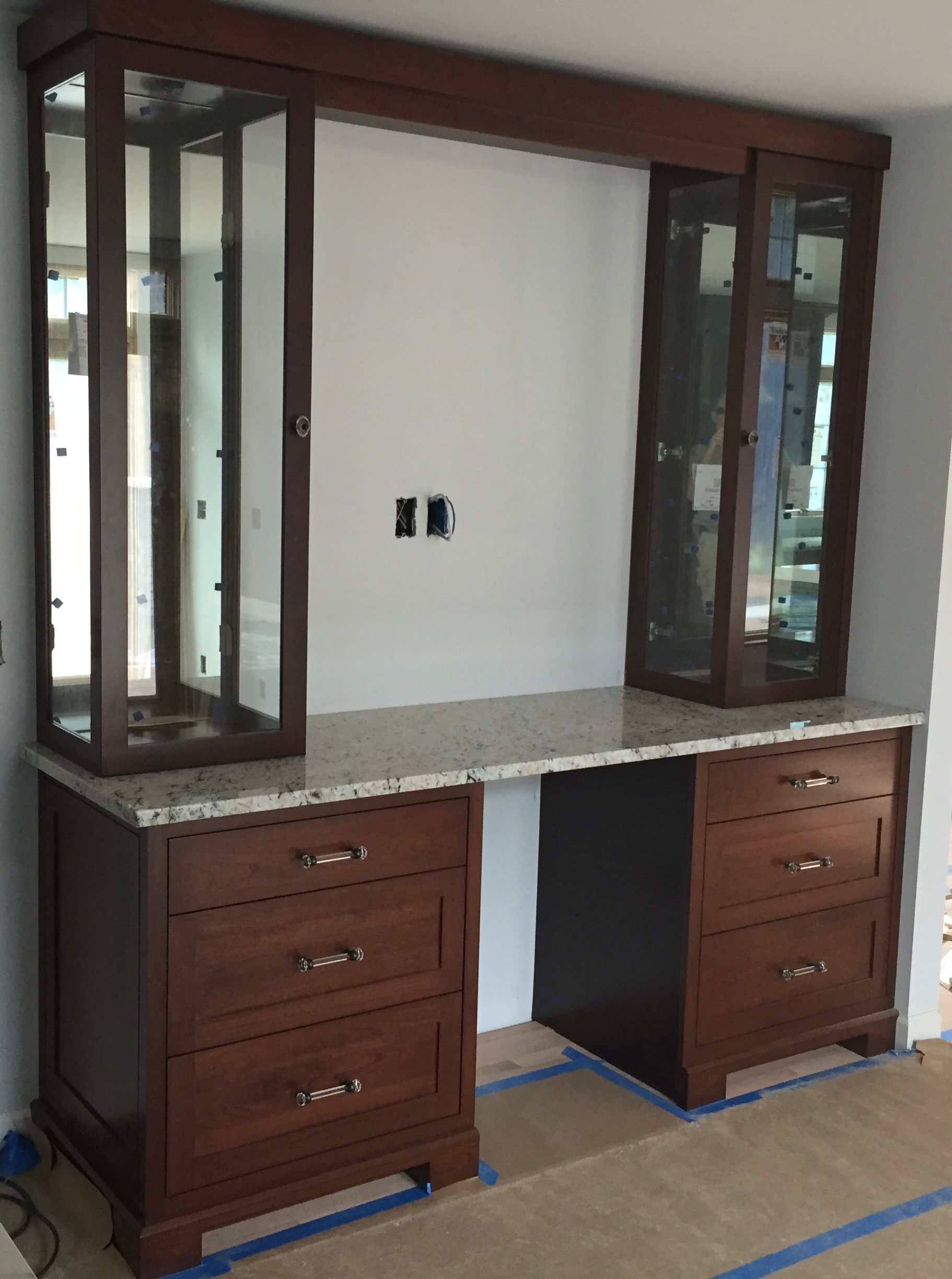
For a quick review—the primary difference between inset (pictured above) and overlay cabinetry is how the doors relate to the cabinet frame.
- Full overlay: Doors cover most of the face frame, leaving a smaller amount of frame visible.
- Partial overlay: Doors cover part of the face frame, leaving more of the frame exposed.
- Inset: Doors and drawer fronts fit inside the face-frame openings, leaving the entire frame visible.
The visual difference can be significant even when the door style remains exactly the same. A Shaker door, for example, can have a very different appearance in an inset configuration than it does in full overlay.
The construction also influences the overall design. Overlay configurations place the cabinet doors in front of the frame, while inset puts greater emphasis on the frame itself and the consistent spacing around each door and drawer.
How Door Style and Construction Work Together
It's helpful to separate door style from door construction when making custom cabinet decisions for your project.
Shaker, flat-panel, and raised-panel describe the profile and design of the cabinet door itself. Inset, full overlay, and partial overlay describe how that door is positioned in relation to the cabinet frame.
That means these decisions can be combined in different ways. For example, a project might use:
- Inset Shaker cabinetry for a tailored, furniture-like appearance
- Full overlay Shaker doors for a cleaner, more streamlined look
- Partial overlay raised-panel doors for a more traditional design
- Full overlay flat-panel doors for a simple, contemporary appearance
The finish and hardware add another layer to the design. The same door and overlay configuration can look substantially different when finished in painted cabinetry compared with natural wood, or when paired with different hardware.
This is why cabinet style decisions are best considered as part of the overall design rather than in isolation. The relationship between the door profile, construction, finish, hardware, and surrounding materials ultimately determines how the finished cabinetry looks.
Choosing the Right Cabinet Door Configuration
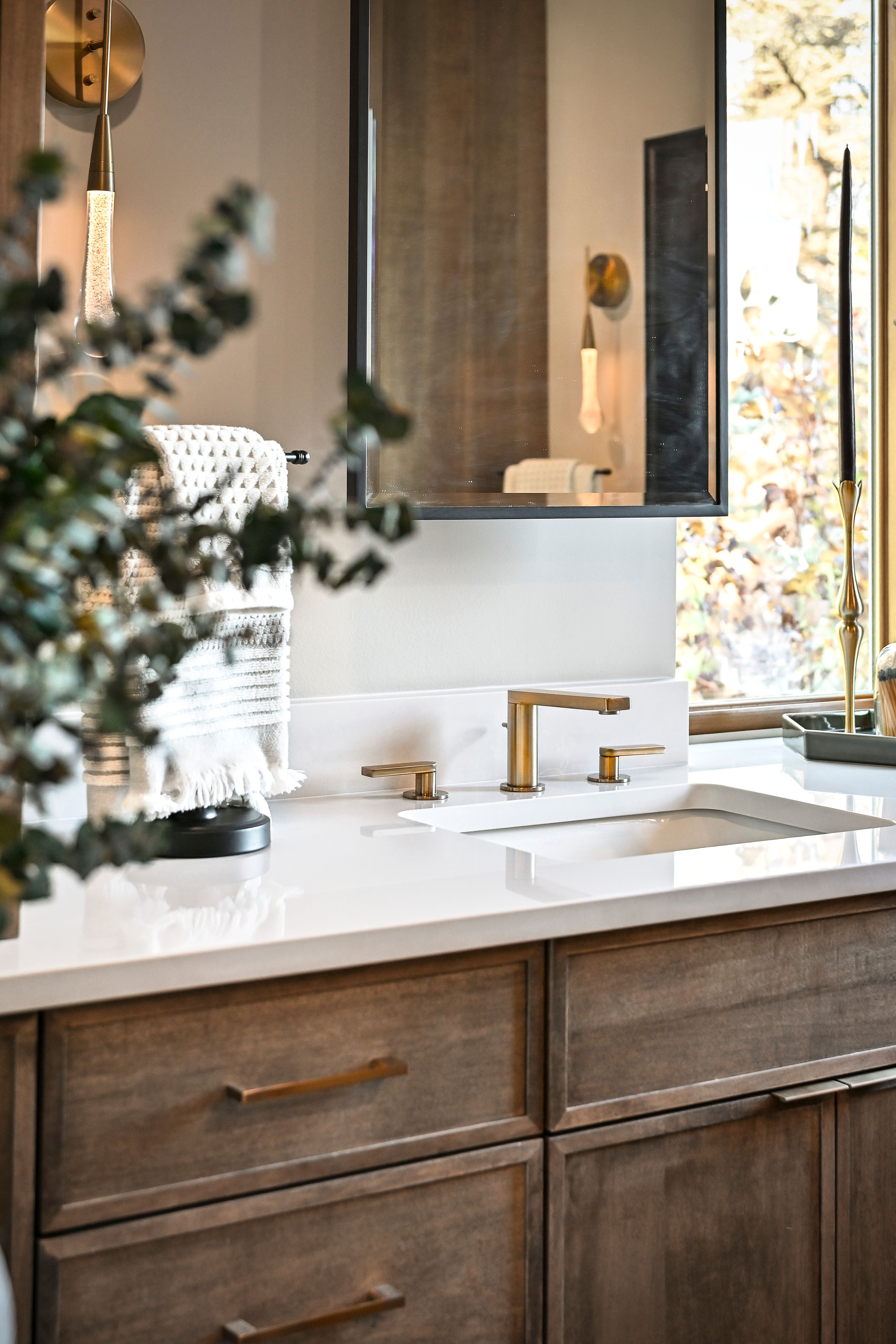
Like most custom cabinet design aspects—there isn't one overlay configuration that works for every project. The right choice depends on the appearance you want, the architecture of the space, the cabinet style, and how the different elements of the room work together.
You may want to begin by considering how much visual emphasis you want the cabinet frame to have. Inset cabinetry puts the frame and the spacing around each door on display, while full overlay creates a more continuous cabinet front. Partial overlay leaves more of the frame visible and can contribute additional structure to a traditional design.
Existing architecture can also influence the decision. In a home with traditional millwork, detailed trim, or other furniture-like elements, an inset configuration may complement the surrounding design. In a more streamlined space, full overlay may reinforce the simpler visual lines.
The door profile matters, too. A detailed raised-panel door can create a very different result from a simple Shaker or flat-panel door, even when both use the same overlay configuration!
Ultimately, the goal is to consider the cabinet construction as one part of the larger design so the finished cabinetry works with the existing space’s flow and function.
How Custom Cabinetry Gives You More Options
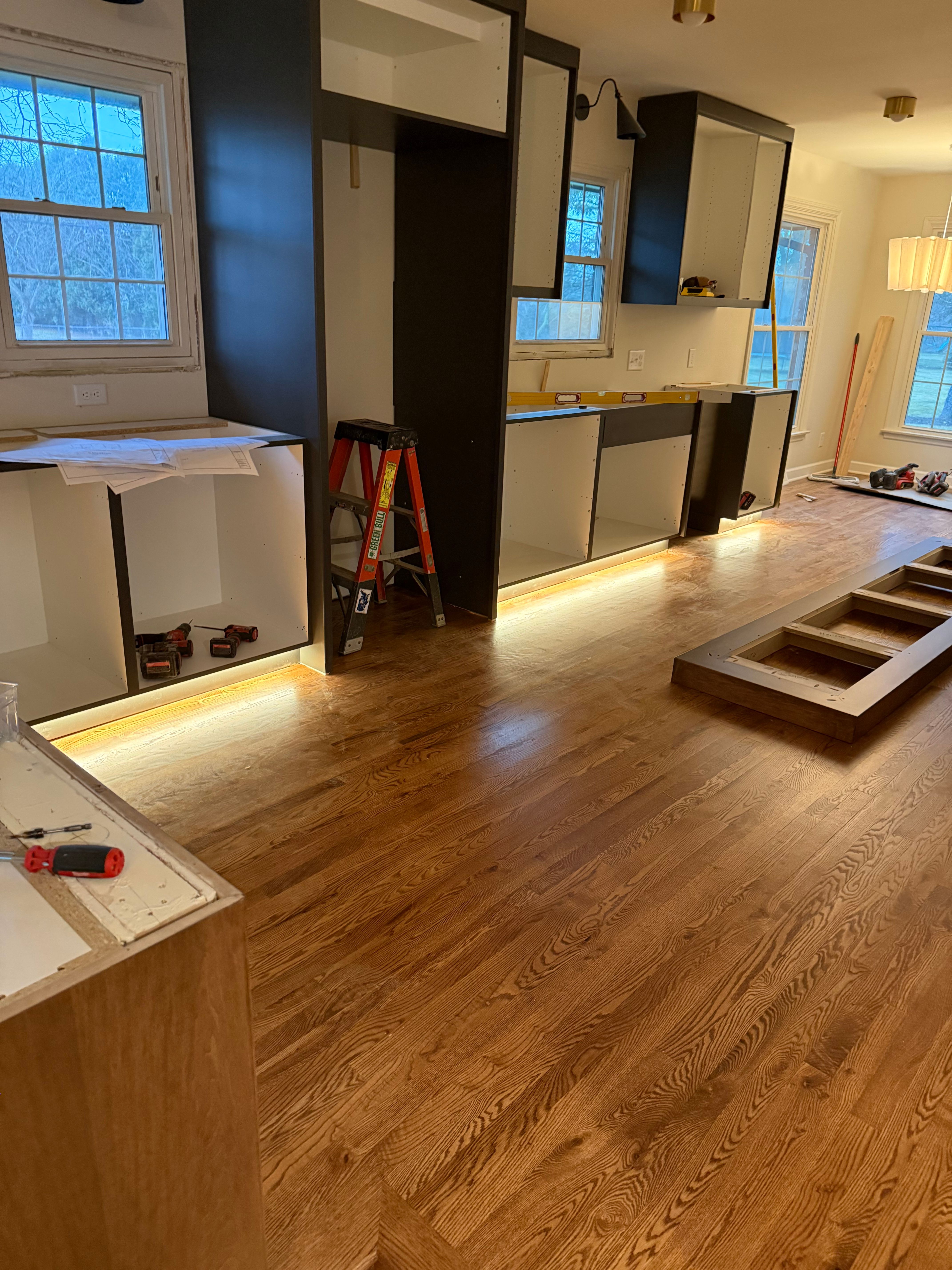
Custom cabinetry is an excellent option for virtually any home or project type. Custom cabinetry allows for the overlay and door style to be considered together with the dimensions, materials, finish, hardware, and overall layout of your vision.
This can be particularly useful when the space has unusual dimensions or architectural features that need to be incorporated into the design. Rather than selecting a predetermined cabinet configuration and working around its limitations, the cabinetry can be designed specifically for your space and your needs.
The design process also provides an opportunity to consider how individual choices relate to one another. A particular door profile may work especially well with inset construction, for example, while a different combination of door style, finish, and overlay may better suit another project.
At Lake Country Custom Cabinets, customers can customize materials, colors, styles, and finishes as part of our in-house design process. When you choose to work with Lake Country Custom Cabinets, we’ll work with you through every step of the design, fabrication, and installation process—based out of our Menomonee Falls, Wisconsin location.
Whether you prefer the more furniture-like appearance of inset cabinetry or the cleaner lines of an overlay configuration, the goal is to create cabinetry that perfectly fits the space and the overall design of the project.
FAQ
Is inset cabinetry more expensive than overlay?
Inset cabinetry typically requires more precise fitting and construction because each door and drawer front must fit accurately within its opening. The final cost depends on the materials, cabinet construction, design, and scope of the project, so the difference varies from one project to another.
Can Shaker cabinets be inset?
Yes. Shaker is a door style, while inset describes how the door is positioned within the cabinet frame. The two can be combined to create a clean, furniture-like appearance. Lake Country's existing work includes inset Shaker cabinetry.
Are inset cabinets harder to maintain?
Inset cabinetry does require attention to the fit and alignment of the doors and drawers because the spacing around each front is visible. Wood can also respond to changes in temperature and humidity, which is one reason precise construction and installation are important.
Is full overlay the same as frameless cabinetry?
No. Full overlay describes how the doors cover the cabinet front. Frameless describes the construction of the cabinet itself. A framed cabinet can have full overlay doors, while frameless cabinets typically use a full-overlay configuration.
Can I use different overlay styles in the same project?
It can be possible, depending on the design and the cabinetry being built. Different configurations can be used intentionally for different areas or applications, but the decision should be coordinated during the design process so the cabinetry remains visually and functionally cohesive.
Which cabinet door configuration is right for my project?
That depends on the style of the space, the door profile, the desired amount of visible cabinet frame, and the construction details of the project. Looking at actual cabinet samples and discussing the options with a cabinet designer can help you determine how each configuration will work with the rest of your design.
Interested in exploring inset or overlay cabinetry for your project? Contact us today to discuss your custom cabinetry needs!