

Painted Cabinets vs. Natural Wood Cabinets: Which Is Right for Your Space?
When choosing new cabinetry, one of the biggest and most visible design decisions is the finish. Both paint and wood finishes can create beautiful, long-lasting cabinetry. The right choice depends on the style you prefer, the wood species, how you use the space, and the overall look you want to achieve.
Below, we'll compare painted cabinets and natural wood cabinets, including the differences in appearance, maintenance, design flexibility, and how each option can work within a custom cabinet project.
In This Article
- Painted cabinets
- Natural wood cabinets
- How wood species affect the finished look
- Can you combine painted and wood cabinets?
- Painted vs. natural wood cabinets: key differences
- Choosing the right cabinet finish for your space
- How custom cabinetry gives you more options
Painted Cabinets: Clean and Consistent
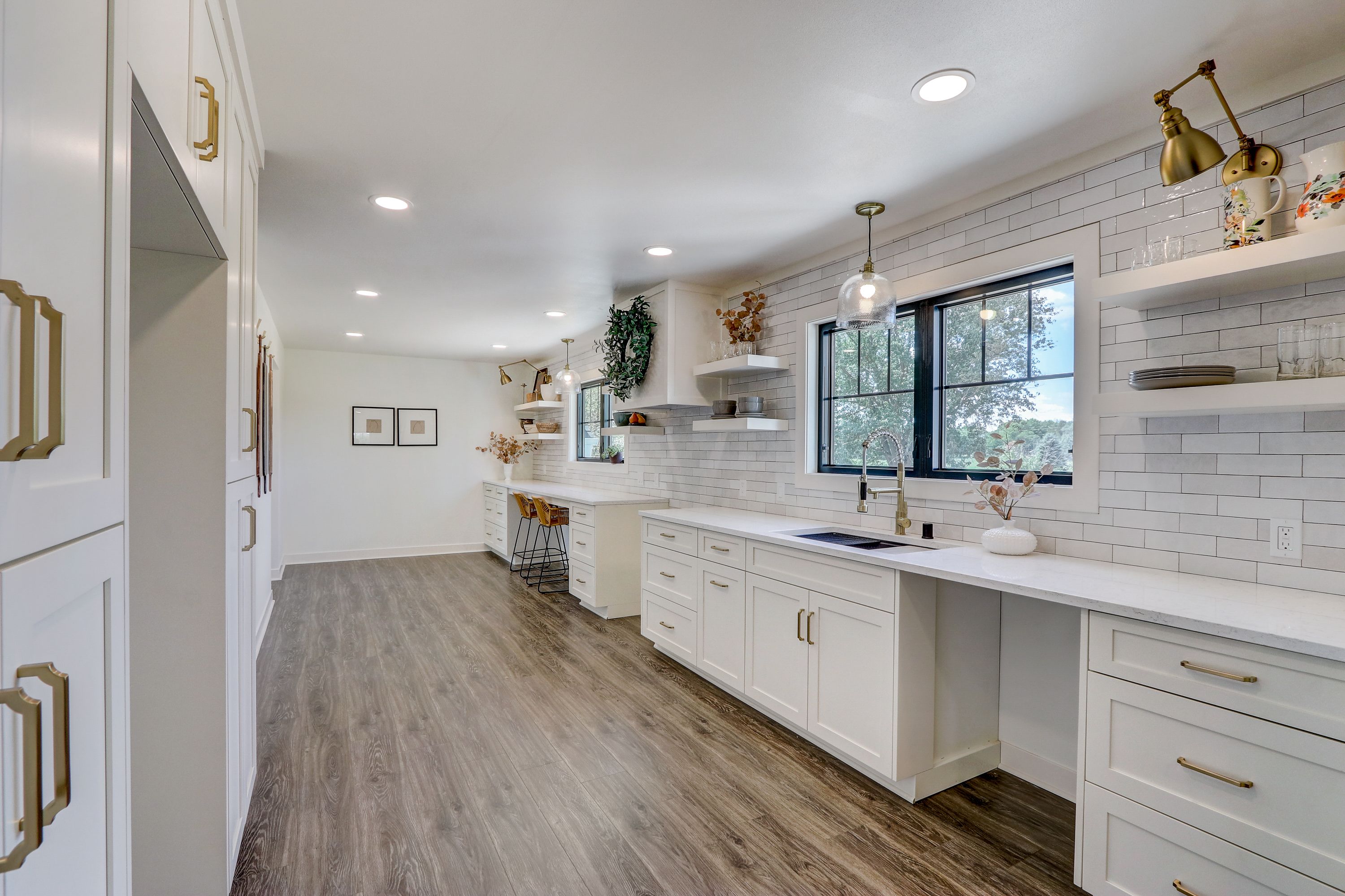
Painted cabinets provide a consistent color across cabinet doors and other visible surfaces. Because a paint finish covers the underlying wood, painted cabinetry can create a clean, uniform appearance that works across a wide range of design styles.
One of the largest advantages to choosing paint is the wide range of available colors. White remains a popular choice, with 28% of homeowners selecting it according to the 2026 Houzz U.S. Kitchen Trends Study. Warm neutrals, soft greens, deep blues, and grays are also popular choices that can be used to create drastically different looks while keeping the same construction.
Paint can also change the way a particular cabinet style appears. The same painted Shaker door, for example, can look traditional, transitional, or contemporary depending on the color, hardware, surrounding materials, and other design choices.
One advantage of painted cabinetry is consistency. If you're looking for a specific color or want the cabinetry to coordinate closely with another element of the space, paint can help to provide a greater degree of control over the finished appearance.
Painted cabinetry can also be used selectively, and to create intentional variation throughout a space. For example, you might choose one color throughout the project, use a different color on an island, or combine painted cabinets with natural wood in another area. These aesthetic options can provide a wide range of creative possibilities when it comes to highlighted spaces, functions, or design choices within a project.
Natural Wood Cabinets: Grain, Warmth, and Character
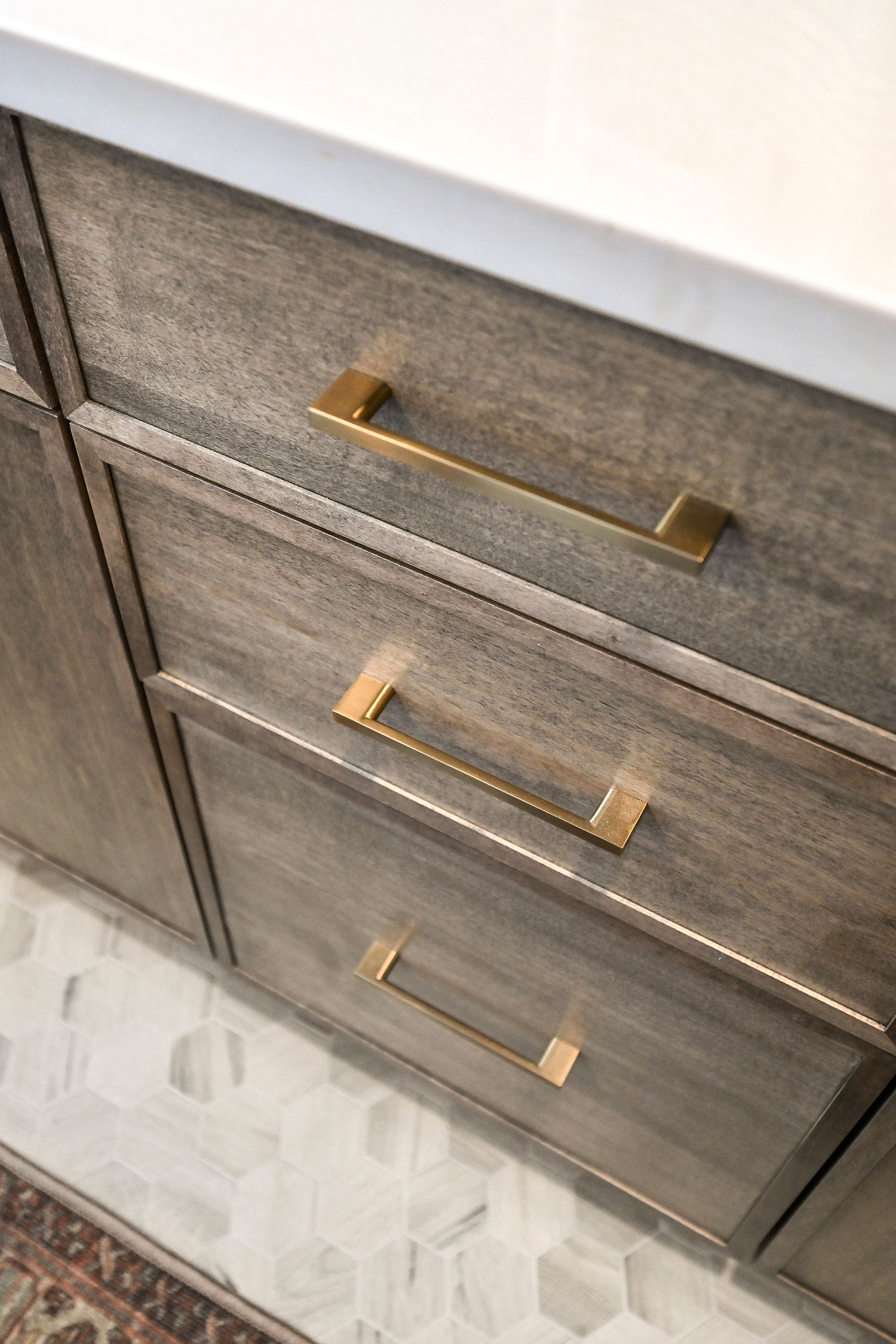
Natural wood cabinetry is finished with a stain or a clear topcoat that penetrates the wood rather than covering it. The grain, figure, and natural color variation stay visible, which means no two doors are ever exactly alike.
The visual result of choosing a natural wood finish depends heavily on the wood species. For example, red oak can have a strong, open grain; hickory offers dramatic light-to-dark contrast; maple is smooth and subtle; cherry deepens in color as it ages; and walnut can help to bring a rich, dark brown to a project without any stain at all. Even within the same species, individual boards can have natural differences in tone and grain.
The final appearance of natural wood cabinets can also be influenced by the stain or finish selected for the project. A lighter finish may emphasize the natural color and grain of the wood, while a darker stain can create a richer, more dramatic appearance. Natural wood cabinetry can work across many different design styles as well. A warm wood finish can complement traditional or transitional spaces, while a more streamlined door paired with a natural wood finish can create a contemporary look.
Wood is also widely considered to be forgiving in daily use. Dirt, smudges, and minor scratches can be far less noticeable on a stained surface than on a painted one, because the grain breaks up the light instead of presenting a single flat plane of color.
How Wood Species Affect the Finished Look
If you're considering natural wood cabinets, the species you choose can have just as much influence on the final appearance as the stain or finish.
Different woods have different grain patterns, colors, and levels of natural variation, all of which can impact the overall appearance of a project. Some species have a relatively subtle grain, while others have a more pronounced pattern that becomes an important part of the design.The same stain can also look different from one wood species to another. That's why choosing a wood species and finish is best done together rather than treating them as completely separate decisions.
When it comes to choosing a wood species, seeing actual live samples can be very helpful. A stain that looks one way on a computer screen or small color chart may look considerably different when applied to a larger piece of the selected wood.
Keep in mind as a general rule—the surrounding environment can significantly affect the appearance of any finish. Countertops, flooring, backsplashes, wall colors, hardware, lighting, and other finishes can all change how a particular cabinet color or wood tone is perceived.
Can You Combine Painted and Wood Cabinets?
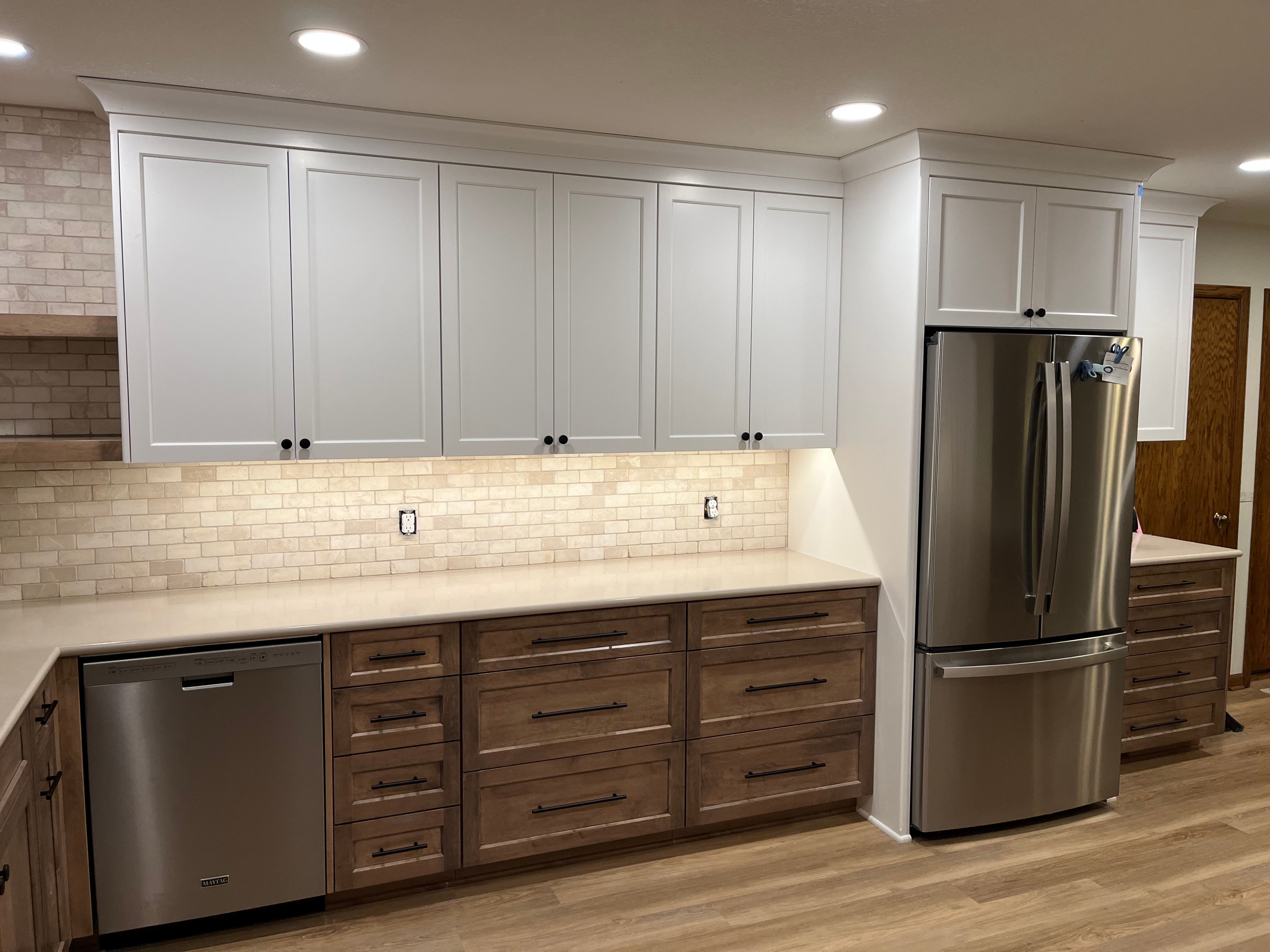
Did you know? You don't necessarily have to choose between painted cabinets and natural wood throughout the entire project. Combining the two finishes is a unique and complementary option that can create contrast and add visual interest while still giving the space a cohesive overall appearance.
For example, a project might use painted cabinetry for most of the room with a stained wood accent in a specific area. A built-in, vanity, island, or other cabinet feature can also use a different finish or alternate paint color to create a subtle distinction.
The key is making sure the colors and finishes relate to and integrate with one another. Differences in shades, wood tone, hardware, and cabinet style should feel intentional rather than disconnected. This is one area where working through the design before fabrication can be particularly useful—getting to see how materials and finishes work together during the design process gives you an opportunity to make adjustments before the cabinetry is built.
Painted vs. Natural Wood Cabinets: Key Comparisons
Both painted and natural wood cabinetry create a significantly different visual effect, and both can be appropriate depending on the project.
- Appearance: Painted cabinets provide a more consistent color, while natural wood allows grain patterns and variation to remain visible.
- Color selection: Paint offers virtually unlimited color options. With natural wood, the species, stain, and finish can all influence the final color.
- Texture and character: Natural wood provides variation through its grain and markings. Painted cabinetry creates a more uniform surface.
- Design style: Both finishes can work with a variety of cabinet door styles. The combination of door profile, color, wood species, hardware, and surrounding materials ultimately determines the overall look.
- Maintenance: Both painted and wood-finished cabinetry should be cleaned according to the manufacturer's recommendations. Everyday use, moisture, sunlight, cleaning products, and the particular finish can all affect how cabinetry ages.
- Long-term appearance: Painted and natural wood cabinets can both provide years of use when they are properly constructed, finished, and maintained. The more important consideration is choosing materials and a finish appropriate for the way the space will be used.
At Lake Country Custom Cabinets, we help customers consider all of these factors together when making their finish selections. The goal is to ensure every choice serves the cabinet’s construction, room design, and the customer's priorities.
Choosing the Right Cabinet Finish for Your Space
When deciding between painted cabinets and natural wood cabinets, begin with the overall look you want to create. Consider how the space is used, how much natural variation you want to see, and whether you're drawn toward a consistent color or the character of visible wood grain.
It can also help to consider the architecture of the space. A painted finish may complement a room with a lighter, more uniform design, while natural wood can add warmth and contrast to a space with painted walls, stone, tile, or other hard surfaces.
Your cabinet door style should be part of the design conversation as well. The same Shaker door can look substantially different when painted compared with a stained wood finish. Likewise, a flat-panel door can take on a completely different character depending on whether it's painted or finished to highlight natural wood.
Current trends can provide inspiration, but they certainly don't have to determine your decision. The best option is the one that works with your space and continues to make sense for how you want to use it.
How Custom Cabinetry Gives You More Options
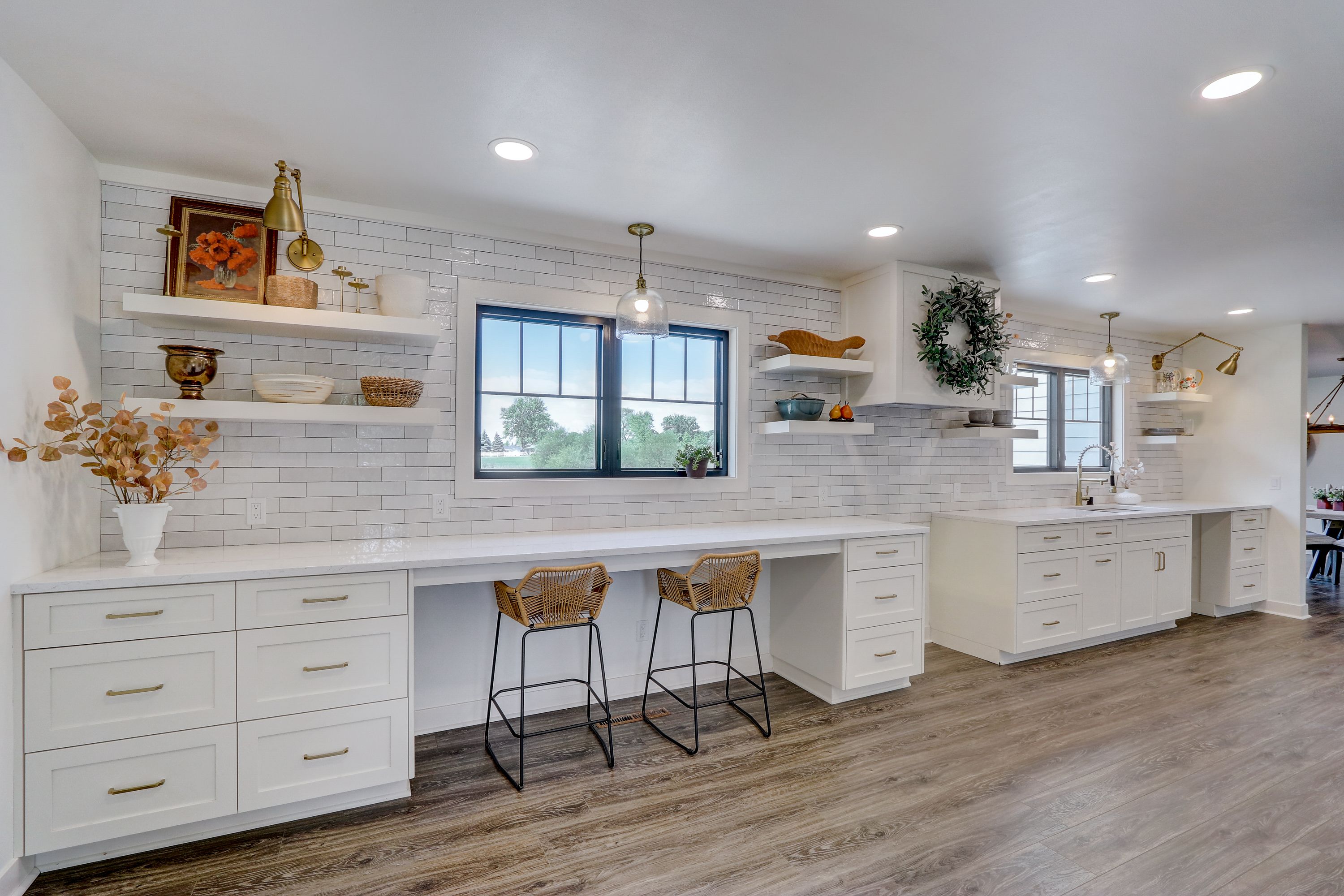
The choice between painted and natural wood cabinetry doesn’t have to be an either-or decision. Custom cabinetry gives you the freedom to build the finish into the overall design—whether that means choosing a specific wood species and stain, selecting a particular paint color, or combining the two.
That can be especially useful when the cabinetry needs to coordinate with existing architectural details or materials. For example, a wood finish may complement exposed beams or wood flooring, while painted cabinetry can provide contrast or help another material stand out. In some projects, using both finishes can help create a unique balance.
Custom cabinetry also allows the finish, door style, and proportions of the cabinetry to be considered together. Rather than starting with a predetermined combination, the design can be developed around the look you want to achieve and the characteristics of the space.
At Lake Country Custom Cabinets, customers can choose from a variety of materials, colors, styles, and finishes as part of the design process. The team works with each customer to determine which combinations make sense for the project, from a single finish throughout to a more tailored mix.
Ready to compare painted and natural wood options for your project? Contact Lake Country Custom Cabinets to discuss your options today.