

What Wood Type Is Best for Custom Cabinets?
When it comes to a custom cabinetry project, there isn't one wood species that's “best” for every scenario. Different types of wood have their own grain patterns, colors, strengths, and natural variations, and those features can have a significant impact on the finished appearance and characteristics of the final product.
The “right” choice depends on the look you're trying to achieve, the amount of natural grain and variation you want to see, the finish you're considering, and how the cabinetry fits into the overall design of your particular space.
Below, we'll look at several popular wood species for custom cabinetry and what to consider when deciding which one is right for your project.
In This Article
- What to consider when choosing a wood species
- Maple cabinets
- Oak cabinets
- Cherry cabinets
- Alder cabinets
- Hickory cabinets
- Walnut cabinets
- How finish affects the appearance of different woods
- Choosing the right wood for your project
- How custom cabinetry gives you more options
- FAQ
What to Consider When Choosing a Wood Species
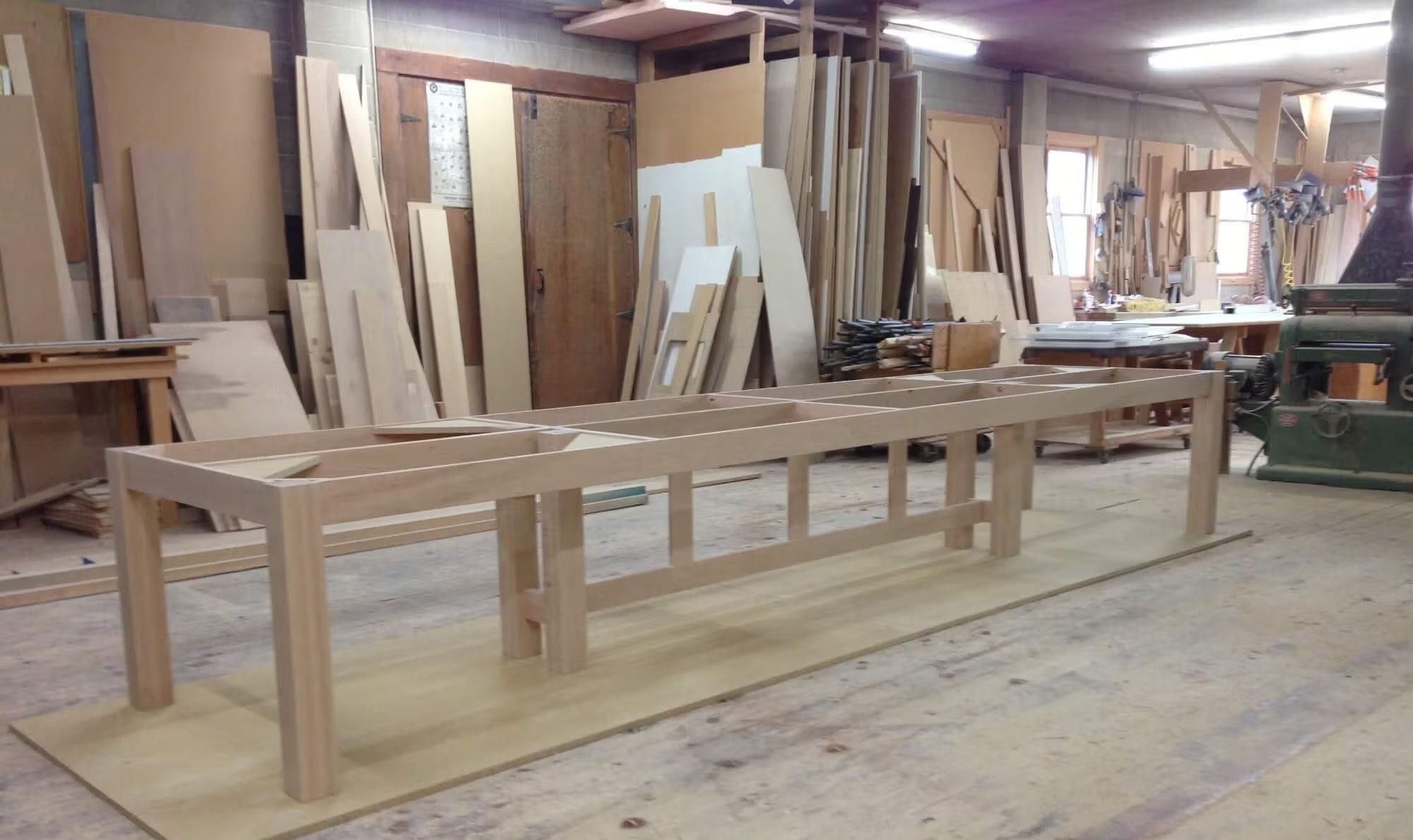
When choosing natural wood cabinetry, the species is one of the biggest factors influencing the finished look. Different woods have different grain patterns, colors, and levels of natural variation. Some wood species have a relatively subtle appearance, while others make the grain and color variation an important part of the design.
The finish matters more than you may expect as well. A stain that looks one way on a particular species may look considerably different on another. That's why choosing a wood species and finish is best done together rather than treating them as completely separate decisions.
It's also worth considering the rest of the space. Countertops, flooring, backsplashes, wall colors, hardware, and lighting can all influence how a cabinet color or wood tone is perceived.
If you already have a particular look in mind, seeing actual samples can be especially helpful. The appearance of wood can be difficult to judge from a photograph or small color chart alone.
Maple Cabinets
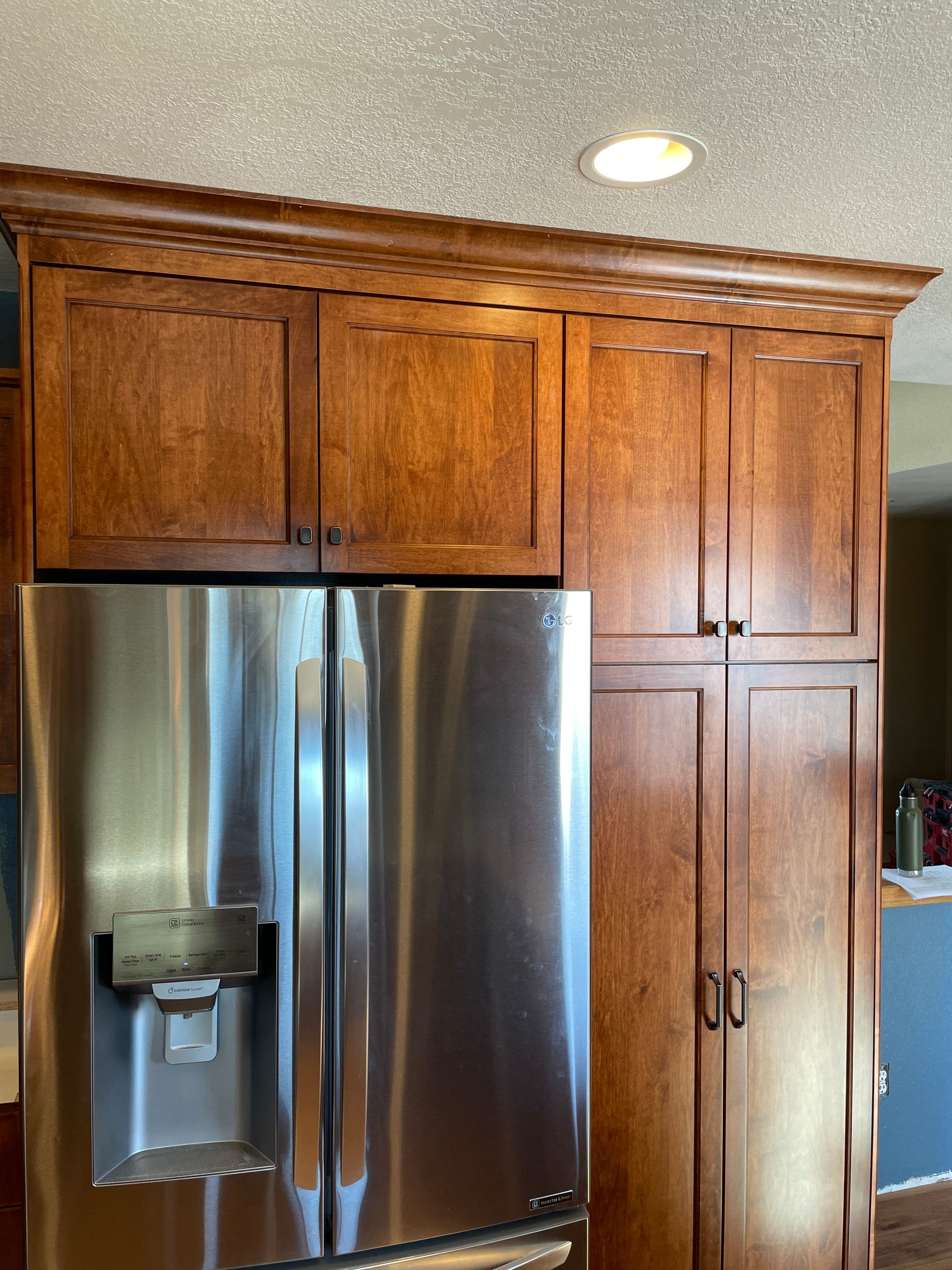
Maple is a hard, dense wood with a relatively smooth, subtle grain. Its lighter color and understated grain can help to give it a clean appearance, while its hardness makes it well suited to cabinetry that will see regular everyday use. Maple's subtle grain also gives it a different visual effect from more pronounced species. The wood can settle into the overall design, allowing the cabinet door style, hardware, countertop, and other elements to carry more visual weight. This can be particularly effective when you want natural wood cabinetry without a strongly patterned appearance.
Compared with softer species, maple is more resistant to dents and surface wear. It also has less dramatic grain and color variation than oak or hickory, giving the finished cabinetry a more consistent appearance.
Maple can be finished in a range of ways, from a light natural look to deeper stains that bring more definition to the grain. Because the wood is relatively light, the selected finish can have a noticeable effect on its final color.
Oak Cabinets
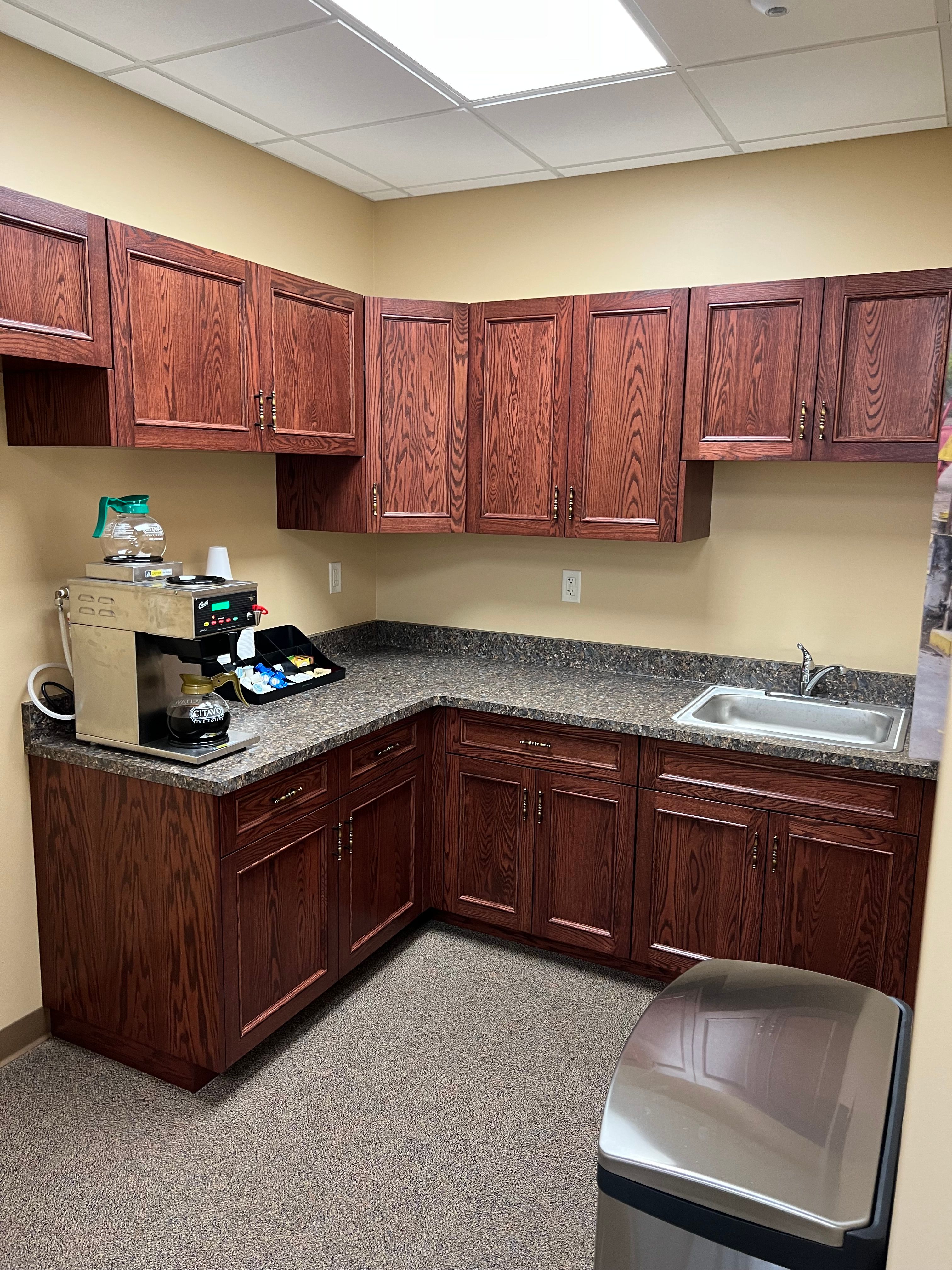
Oak is a hard, durable wood with a distinctive open grain that gives it more visual texture than species such as maple. Its natural color can range from light to medium brown, and the grain remains a prominent part of the finished cabinetry.
Compared with maple, oak has more pronounced grain and greater visual variation from board to board. That variation can give oak cabinetry a more dimensional appearance, particularly when the cabinets are stained.
Oak is also a relatively hard wood, making it well suited to cabinetry that will see regular everyday use. Its combination of hardness and pronounced grain has made it a long-standing choice for cabinetry, particularly when durability and visible natural character are both priorities.
The finish you select can also significantly change the appearance of oak. Staining can emphasize the more open grain and shift the wood toward warmer, darker, or more muted tones, while a lighter finish can preserve more of the wood's natural color. Because oak has such a noticeable grain pattern, the finish becomes an important part of determining how prominent that character will be in the finished cabinetry.
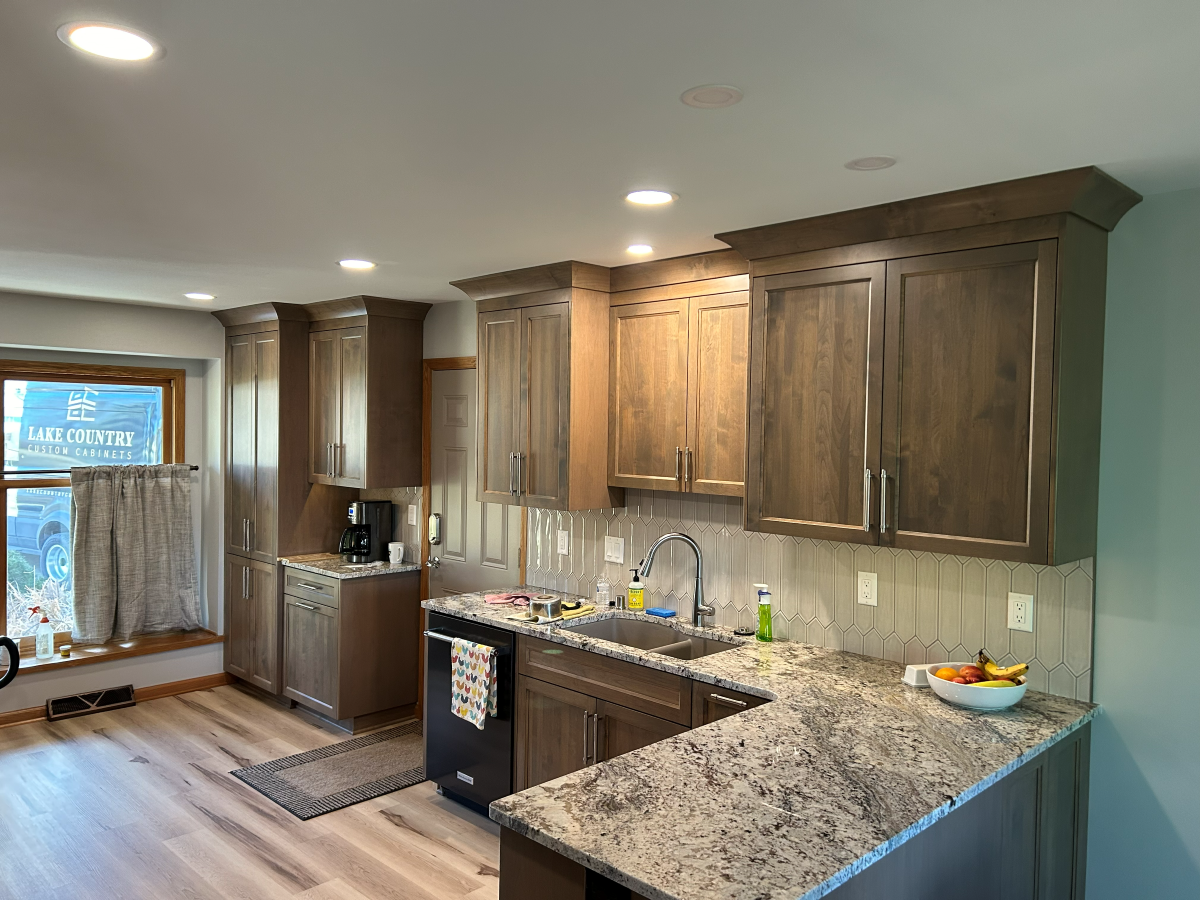
Alder is another popular option for custom cabinetry, with a relatively subtle grain and warm tones that can range from pale honey to reddish-brown. Its natural color variation gives the wood character without the more pronounced grain pattern typically associated with oak. Because alder is softer than maple and oak, it can be susceptible to dents and surface marks.
Cherry Cabinets
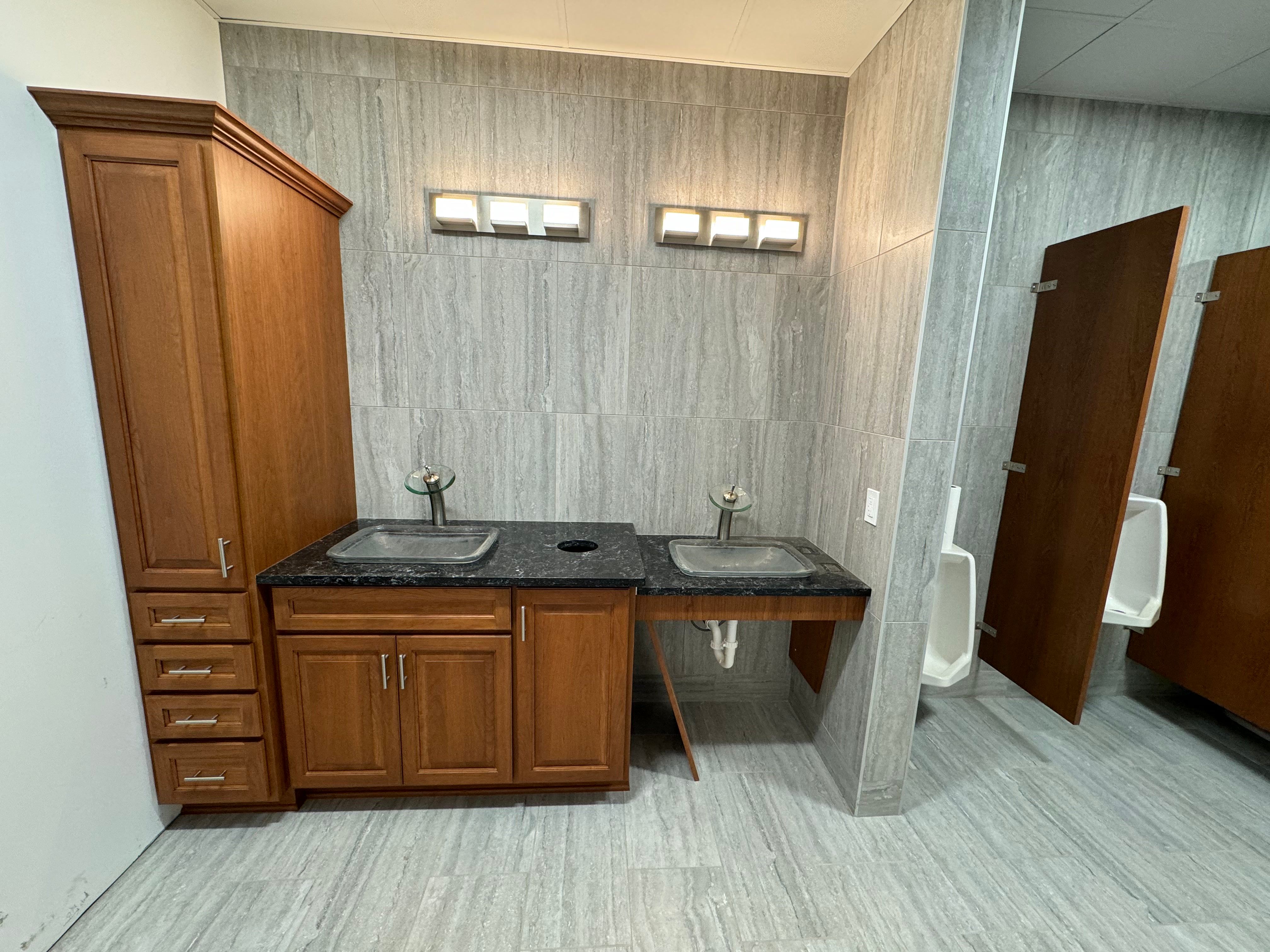
Cherry has a warm, naturally rich color and a relatively smooth, subtle grain. Its grain is less pronounced than oak or hickory, giving cherry cabinetry a more refined appearance while still allowing the natural character of the wood to remain visible.
One of cherry's most distinctive characteristics is the way its color changes over time. The wood naturally deepens as it ages, developing a richer, warmer appearance. That gradual color change is part of what makes cherry different from species that remain more consistent in tone over the years.
Cherry is softer than harder species such as maple and oak, so it can be more susceptible to dents and surface marks from everyday use. Those marks can become part of the character of the wood over time, particularly in a natural or lightly finished application.
Cherry can be finished in a range of ways, from a clear or natural finish that allows its warm color to remain prominent to stains that deepen or alter the tone. Because the wood itself has such a distinctive color, the selected finish can have a significant effect on the final appearance while still allowing cherry's natural warmth to come through.
Hickory Cabinets
Hickory is a hard, dense wood with a highly distinctive grain and natural color variation. Unlike species with a more consistent appearance, hickory can range from light to dark tones within the same project, creating noticeable contrast between individual boards.
That variation gives hickory cabinetry a more pronounced visual character than maple or cherry. The grain can be irregular and prominent, making the natural wood itself a significant part of the overall design rather than a subtle background element.
Hickory's hardness also makes it well suited to cabinetry that will see regular everyday use. Its combination of strength, pronounced grain, and natural variation makes it particularly distinctive among common cabinet wood species.
The finish can either emphasize or soften some of hickory's natural variation. A clear or lighter finish allows the contrast between boards and the natural grain to remain prominent, while a stain can shift the overall color and bring additional definition to the grain. Because hickory varies so much naturally, the finished cabinetry will have a particularly organic, individual appearance.
Walnut Cabinets
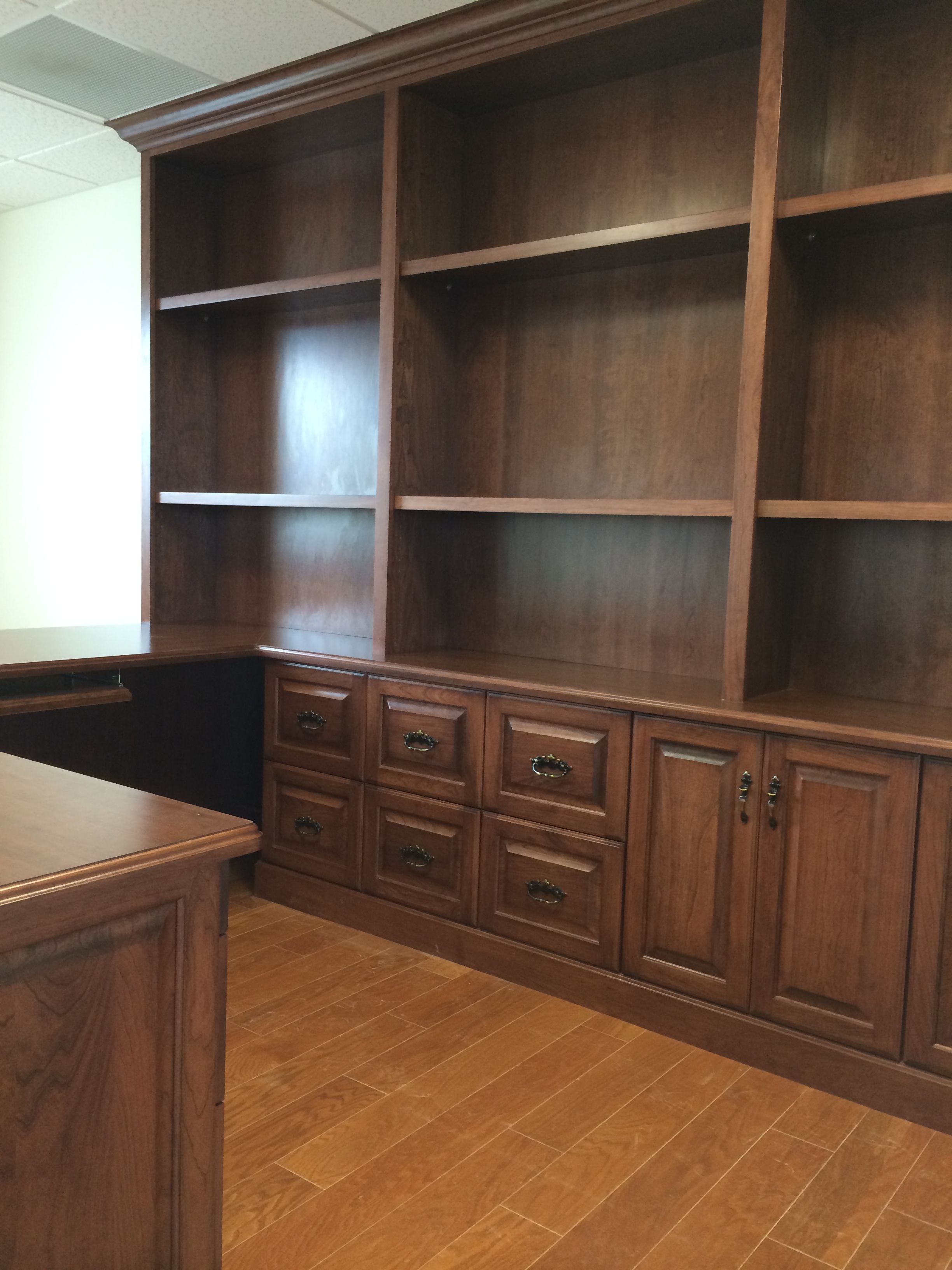
Walnut is a naturally rich, dark brown wood with a distinctive but relatively subtle grain. Its deeper color gives walnut cabinetry a more substantial appearance than lighter species such as maple, while the grain keeps the wood from looking flat or uniform.
Walnut generally has less dramatic light-to-dark variation than hickory, but individual boards can still show differences in color and figure. This gives the cabinetry natural character without the stronger contrast associated with more heavily varied species.
Walnut is softer than species such as maple, oak, and hickory, so it can be more susceptible to dents and surface marks from everyday use. That characteristic is worth considering when choosing walnut for areas that will see frequent use, although those marks can also become part of the natural character of the wood over time.
Because walnut already has such a distinctive natural color, it often does not require a dark stain to achieve a rich appearance. A clear or lighter finish can allow its natural brown tones and grain to remain the focus, while a stain can shift the color or add additional depth.
How Finish Affects the Appearance of Different Woods
The finish does more than add color to natural wood. It can change how much character is visible, particularly in species with stronger grain or greater variation.
On maple, for example, a stain can add definition to an otherwise subtle grain. On oak and hickory, the existing grain is already prominent, so a finish can further emphasize the pattern and variation between boards. Cherry brings its own warm color to the finished cabinetry, while walnut already has a naturally deep brown tone that may not require much additional color.
The same finish will not produce the same result across different species. A stain applied to maple, oak, cherry, hickory, and walnut will interact with each wood's natural color and grain differently. That's why choosing a stain based solely on how it appears on a color chart can be misleading.
Finish also plays a role in how much variation you want the finished cabinetry to have. If you want the natural differences between boards to remain prominent, the finish can be selected to work with that variation. If you're looking for a more consistent appearance, the wood species and finish can be considered together to move the design in that direction.
If the cabinetry will be painted, some of the visual distinctions between wood species become naturally less important. For stained or clear-finished cabinetry, however, the species itself remains a major part of the finished appearance.
This is one reason the choice of wood species and finish is best made together. The finished result isn't simply the color of the stain or the natural appearance of the wood—it's the interaction between the two.
Choosing the Right Wood for Your Project
The “best” wood species for cabinets ultimately depends on your project’s overall design and function goals. Maple, oak, and hickory are harder woods that offer greater resistance to dents and surface wear, while cherry and walnut can be somewhat softer under everyday use. Visually, maple offers a cleaner, more consistent appearance, while oak and hickory can make the wood’s natural grain more prominent. Cherry can bring warmth and changes in color over time, while walnut can provide a naturally rich, darker tone.
The construction and style of the cabinetry also affect how those characteristics come through. A simple Shaker or flat-panel door, for example, can emphasize the natural appearance of the wood, while a more detailed door profile can introduce additional visual elements to the design.
Finish is another important consideration. The same species can look substantially different depending on whether it is left relatively natural, stained to deepen its color, or painted. Hardware and other cabinet details can further shift the overall character of the finished cabinetry.
When choosing between wood species, consider durability, natural character, door style, finish, and the other design elements that will work with the cabinetry. The goal isn't simply to select a wood you like on its own, but one that fits the overall design and everyday use of the project.
How Custom Cabinetry Gives You More Options
One of the advantages of custom cabinetry is the ability to consider the wood species as part of the larger design rather than choosing from a predetermined combination.
During the design process, you can evaluate different materials, finishes, door styles, hardware, and other details together. Seeing how those choices work with the dimensions and character of the space can make it easier to determine which combination is right for the project.
Custom cabinetry also gives you the opportunity to use different materials or finishes intentionally within the same project. For example, one area may use natural wood cabinetry while another uses painted cabinetry, or a particular wood species may be used to create an accent within the overall design.
At Lake Country Custom Cabinets, customers can customize materials, colors, styles, and finishes as part of our in-house design process. We’ll walk with you through every step of the design, fabrication, and installation process — based out of our Menomonee Falls, Wisconsin location. Our team works with you to develop cabinetry around your space, your needs, and the finished look you want to achieve. Lake Country Custom Cabinets
Whether you already have a particular wood species in mind or you're still comparing your options, the design process is an opportunity to see how different materials can work within the space before fabrication begins.
FAQ
What is the most popular wood for custom cabinets?
There isn't one wood species that's the best or most popular choice for every project. Maple, oak, cherry, hickory, alder, and walnut each have different visual characteristics, and the right choice depends on the design, finish, and amount of natural variation you want.
Which wood species shows the most grain?
Hickory and oak both have noticeable grain characteristics. Hickory can also have significant light-to-dark variation between boards, while oak is known for its more pronounced, open grain.
Does the same stain look different on different types of wood?
Yes. The natural color and grain of each wood species affect how a stain appears. That's why it's helpful to evaluate the actual wood and finish combination rather than relying only on a stain chart.
Can custom cabinets combine different wood species or finishes?
Depending on the project, different materials and finishes can be incorporated intentionally into the design. A project might use natural wood in one area and painted cabinetry in another, for example, to create contrast or distinguish different parts of the space.
How do I choose the right wood for my cabinets?
Admittedly, design options can seem overwhelming when you’re at the start. We recommend you begin with the overall look you want to achieve. Consider how much grain and natural variation you want, the color of the wood, the finish you're considering, and how the cabinetry will work with the rest of the space. Seeing actual samples and discussing the options during the design process can also help narrow down the choices.
At Lake Country Custom Cabinets, we can help you compare wood species, finishes, and cabinet styles as part of our in-house design process. If you're considering custom cabinetry for your home or business, we'd be happy to discuss the options for your project.